Conditions
Think about moisture or water exposure, sunlight, traffic, transitions, and what is already underfoot.
Colour matters. It’s just not the first question. I want to know how the room gets used, what kind of wear it takes, how you clean it, what it connects to and what’s already underneath.
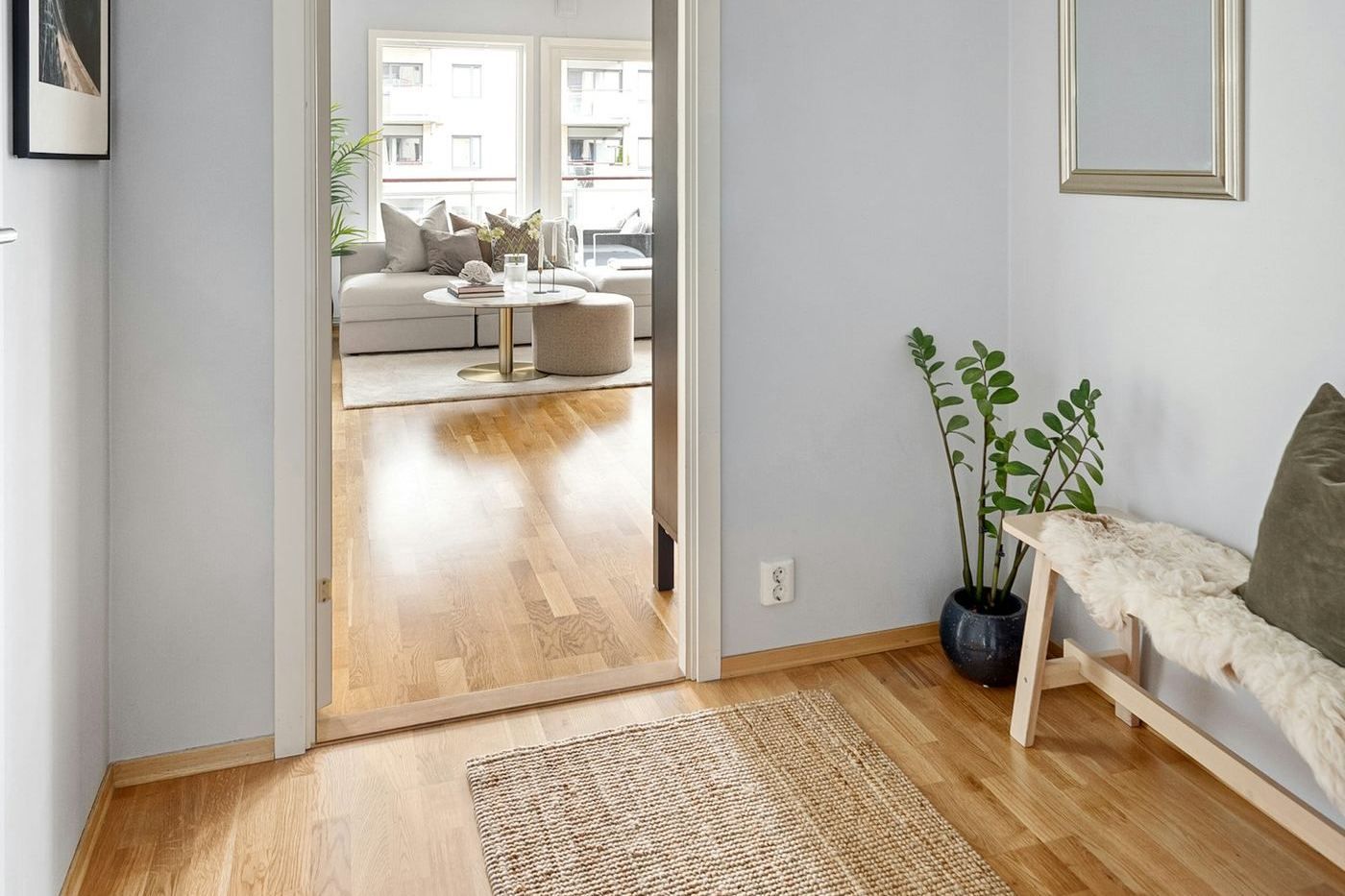
Samples are useful, but the room comes first. Before we compare products, let’s look at traffic, moisture, pets, maintenance, transitions and what you actually expect the floor to put up with.
Think about moisture or water exposure, sunlight, traffic, transitions, and what is already underfoot.
Pets, comfort, maintenance tolerance, and how the room connects to nearby spaces all affect the choice.
Decide what matters most: natural material, water tolerance, softness, repairability, initial cost, or continuity.
Start with the problems underfoot and what the room needs to do. Material choices should follow those priorities and the floor conditions.
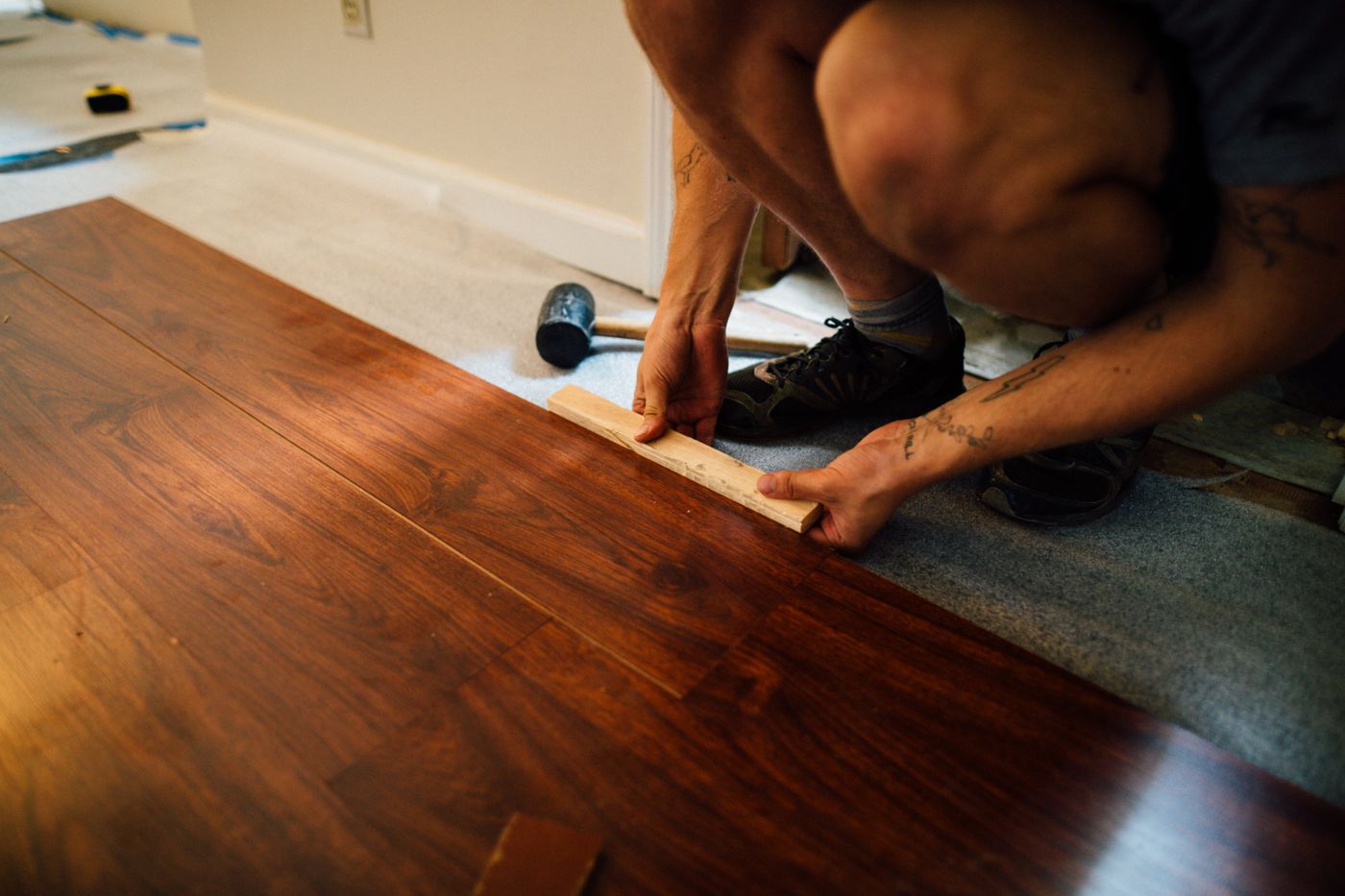
Flooring and tile decisions connect with how a finished room looks, feels and works. Explore these completed renovations.
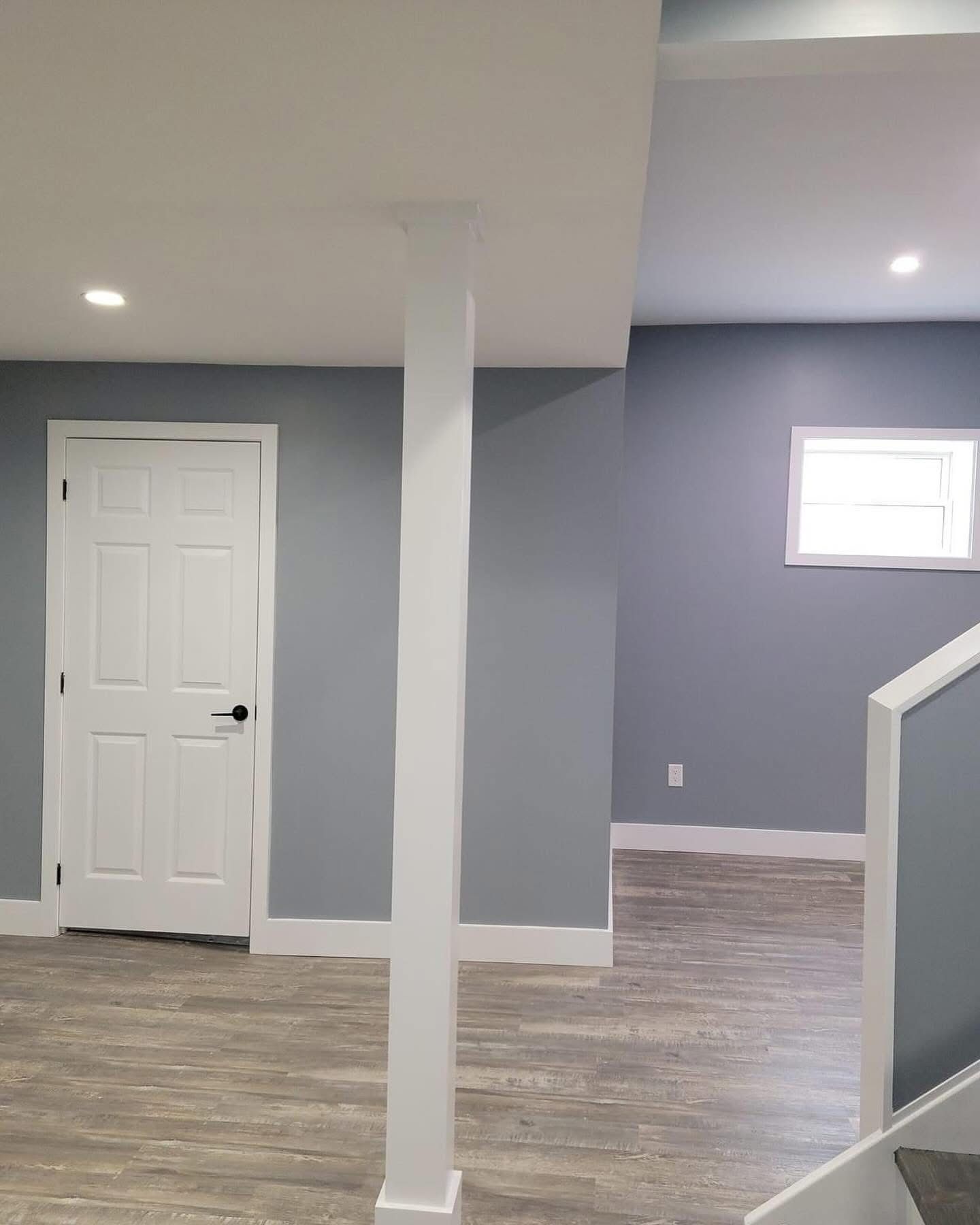
A completed family and games room renovation. The finished photo shows the flooring alongside the layout and other room finishes.
Read the Komoka story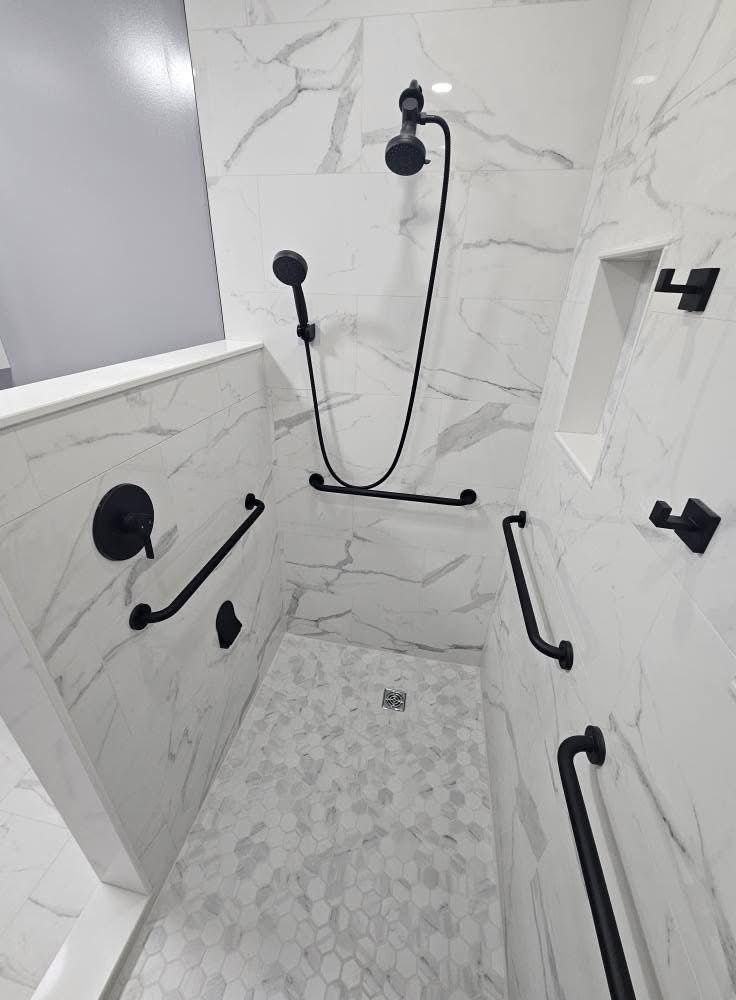
Tile suitability was part of this renovation’s planning, alongside safety features, accessibility and appearance.
Read the Bayfield storyStart with the room’s conditions, daily use, movement, maintenance, comfort and connected spaces. Then compare appearance and material trade-offs.
Compare moisture tolerance, underfoot feel, repairability, maintenance, product limits, preparation needs, and overall budget priorities.
Tile can be worth considering where water exposure and durability matter, but substrate, comfort, grout, and preparation should be checked first.
No; whether it can stay depends on the existing material, condition, level, height, and the requirements of the new floor.
Sometimes; the existing floor must be suitable, sound, level enough, and compatible with the new material and transitions.
The condition needs to be understood and addressed as part of preparation before the finished flooring is chosen or installed.
Common drivers include material choice, room size, removal, preparation, transitions, trim, access, and conditions found beneath the existing floor.
Timing depends on the material, room size, removal and preparation, and underlying conditions, and is confirmed after the actual scope is understood.
Based in London, Ontario, Falardeau Home Renovations & Flooring serves homeowners in London, St. Thomas, Komoka, Strathroy, Port Stanley and Bayfield. See the Service Areas hub for local planning guidance.
Some projects also raise questions beyond normal finish replacement, so the scope should stay clear before the next step.
Significant subfloor or structural repair, radiant systems, or work extending beyond normal finish replacement may change the discussion.
Whether a permit, inspection or licensed trade is involved depends on the scope and property. Use the Read the broader renovation scope guide and the Service Areas hub for current local guidance.
Tell me which room you’re working on, what you like, what you hate about the current floor and what matters most. We’ll figure out what makes sense from there.